Why does my garage door open by itself?
No one pressed a button and the door's open anyway. That's unsettling, and it's also a real security gap until it's sorted out. Almost every case comes down to a stuck remote, a shorted wall button, or an old opener without modern rolling-code protection. Here's how to find which one, and what to do about the security side either way.
4.9 from 111 Google reviews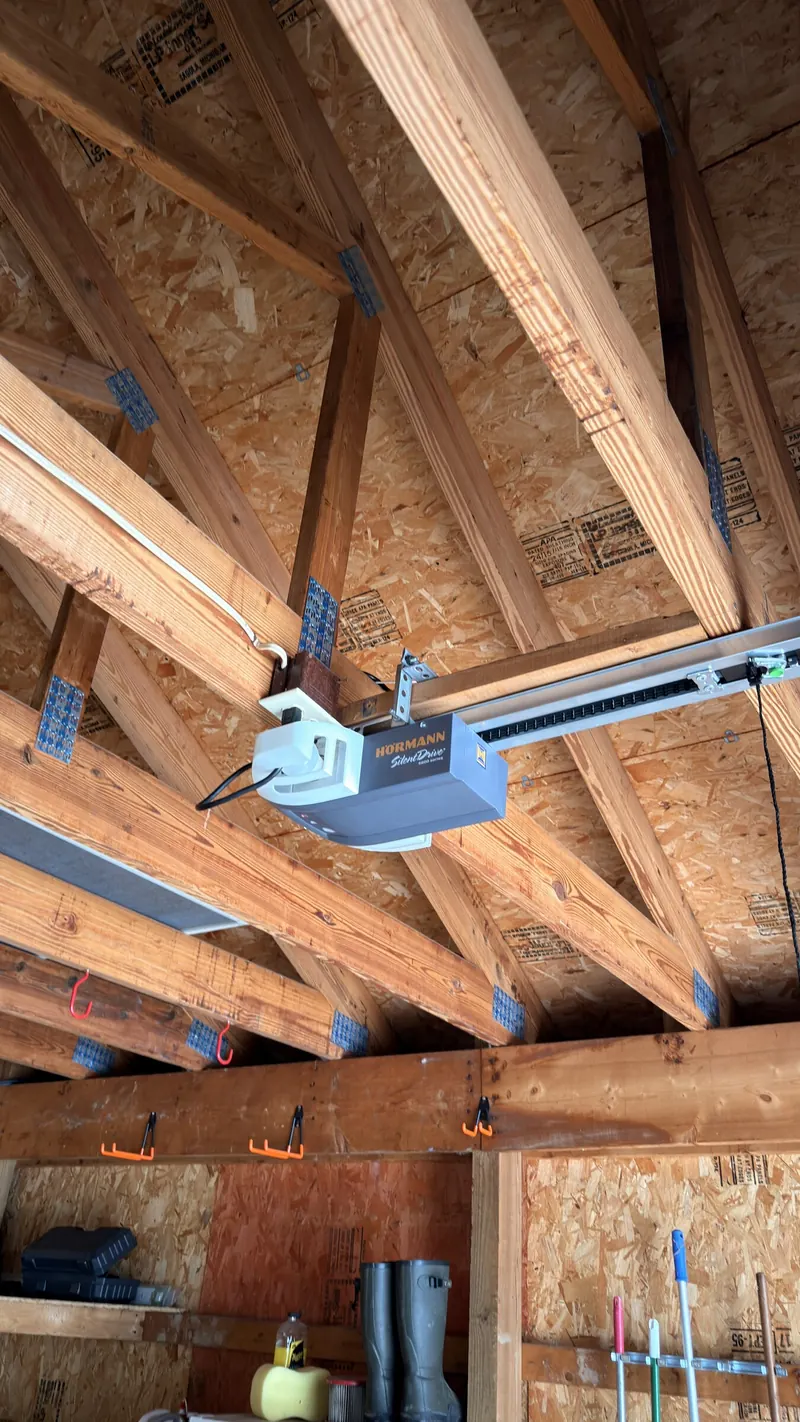
A garage door that opens on its own feels like the opener has a mind of its own, but it almost never does. It's sending or receiving a signal from somewhere, and that somewhere is usually boring: a button pinned down by accident, a short in a wire, or a jolt from a storm. Work through these in order and you'll usually find it without a service call. Either way, an open garage door you didn't open is worth treating as a security issue.
Start with the remotes (the usual culprit)
The single most common cause is a remote with its button held down without anyone realizing it: tucked in a pocket, sitting under a tool box in the trunk, pressed against something in a glove box or door pocket. A remote that's been sat on or pinned against something can fire the same signal over and over, and from the garage it looks exactly like a phantom open.
Pull the battery out of every remote in the house and every vehicle that has one clipped to a visor or mirror. If the door stops opening on its own, put them back one at a time. The last one you reinstall before it happens again is the one with the problem. Check its button for anything pressing on it and replace it if the button itself feels sticky or stuck down.
Next: the wall console
If every remote checks out clean, the hard-wired wall button inside the garage can cause the same thing if it's shorting or stuck. This is more common on an older console, one mounted somewhere damp, or after the wires behind it have been nicked or pinched. Disconnect the two low-voltage wires at the opener head (they're safe to handle, since this isn't line voltage) to take the console out of the picture entirely, and watch whether the door still moves on its own with it disconnected.
A storm or power surge can trigger a false signal
Lightning and voltage spikes on the line can send a false signal into the opener's receiver, the same way a stray remote press does. This has nothing to do with the safety sensors, and the weather isn't moving the door mechanically. If the self-opening only happens during or right after a storm, that's the likely cause. A surge protector on the opener's outlet is a cheap way to cut down on it, and it's worth checking the breaker too, since the same surge can trip it (covered in opener troubleshooting).
The one real security issue: openers without rolling code
Almost every opener still on the market, and most made over the last few decades, use rolling code: the remote and the opener agree on a new code every time the button is pressed, so the old code can't be reused even if someone captured it. A very old opener that predates rolling code uses a fixed code instead, set with tiny dip switches inside the remote and receiver, and it's the rare case where another device on the same frequency could genuinely trigger your door. If your opener is old enough that you're not sure which kind it has, that's worth finding out, both for this problem and for the peace of mind.
Still happening after both checks means it's inside the opener
If you've cleared every remote and disconnected the wall console and it's still opening on its own, that points to the receiver or logic board inside the opener head misfiring on its own. A battery, a setting, or anything else you can reset from outside the unit won't fix it. That's a job for opener repair, diagnosed rather than guessed at. If the opener is old enough to lack rolling code, replacing it with a new opener installation solves the reliability problem and the security gap in the same visit. Either way, the estimate is free and you hear the price before any work starts.
If the door is instead closing and then popping back open on its own, that's a different problem, usually the safety sensors, and it's covered step by step in garage door won't close all the way.
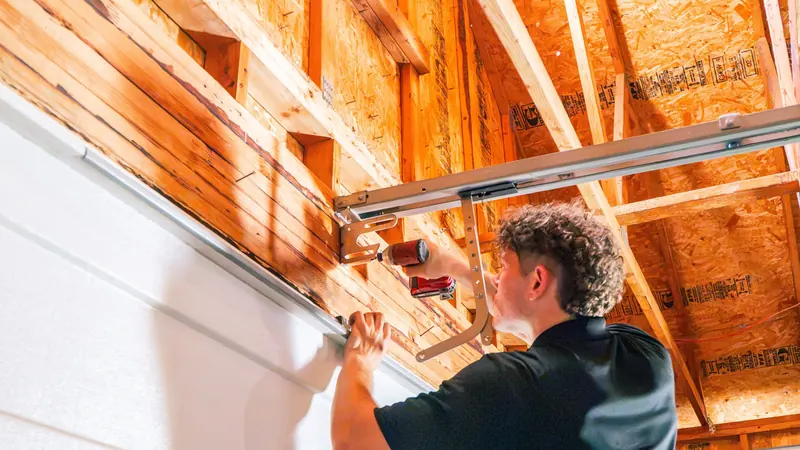
Opener repair
Opener's dead, humming or reversing. We fix it on the spot or put a new one in, and we haul the old one away.
Opens by itself questions
Why does my garage door open (or close) by itself with no one pressing a button?
Most of the time it's a stuck remote button: one sitting under something in a car, a tool box, or a bag, held down long enough to send the signal over and over. After that, check a shorted or stuck wall console button, especially if it's near moisture. A power surge from a storm can also send a false signal to the opener's receiver. On a very old opener without rolling-code technology, another nearby device on the same frequency is possible but rare. Start with the remotes. They're the most common cause and the easiest to rule out.
How do I figure out which remote or device is triggering it?
Pull the battery out of every remote in the house and any cars, then watch whether the door still moves on its own. If it stops, put remotes back in one at a time until it happens again. That isolates the culprit. If it keeps happening with every remote disarmed, disconnect the wall console's wires at the opener head next to rule that out. If it's still happening with both isolated, that points to the opener's receiver or logic board.
Is a garage door that opens on its own a security problem?
Yes, treat it like one. An open garage door is an open entry point to the house, especially if there's a door straight from the garage into the interior, and it can sit open for hours before anyone notices, overnight or while you're out. Beyond fixing whatever's triggering it, use the opener's lock or vacation switch when you're away for a stretch, don't leave remotes clipped to a visor in an unlocked car, and reprogram or erase the codes if a remote or a car with one in it ever goes missing.
Can a storm or power surge really open a garage door by itself?
Indirectly, yes. Lightning or a voltage spike on the line can send a false signal into the opener's receiver the same way a stray remote press does. That's separate from the safety sensors, and the weather isn't moving the door itself. If it only ever happens during or right after a storm, that's the likely cause, and a surge protector on the opener's outlet is a cheap way to cut it down.
When should I stop troubleshooting and call someone about this?
Once you've pulled the batteries from every remote and disconnected the wall console and it still happens, that's a receiver or logic-board issue inside the opener head, and it's time to stop testing at home. It's also worth a call if the opener is decades old and predates rolling-code remotes, since replacing it solves both the reliability problem and the security gap at the same time. Either way, the estimate is free and you hear the price before any work starts.
More garage door guides
Garage door opener troubleshooting, step by step.
Dead remote, humming motor or no response: a step-by-step triage before you call.
RemotesWhy does my garage door remote only work up close?
Weak battery, cold, a blocked antenna, or a new LED bulb: why the remote lost its range and what to try.
Insulated doorsAre insulated garage doors actually worth it?
What R-value really means, when insulation pays off, and the DIY kit trap.
Free estimates. No after-hours fee.
4.9 from 111 Google reviewsSame day service. You hear the price before any work begins.